How to Prevent Dehydration in Sport Horses
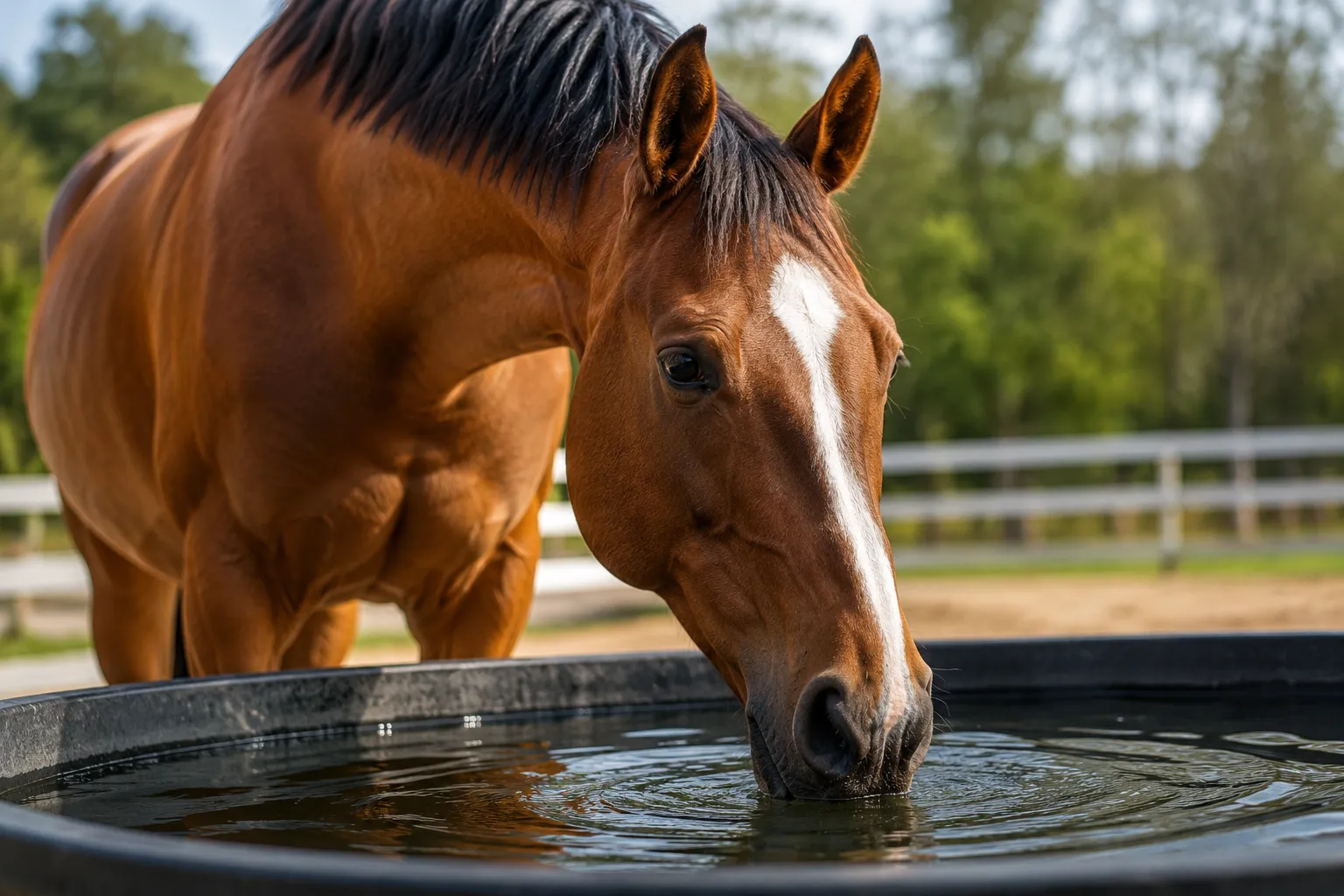
Competition horses are exposed daily to physical demands that can affect their fluid balance and performance. The loss of fluids and electrolytes during exercise, transport, or in high temperatures can lead to dehydration, fatigue, and slower recovery.
Maintaining proper hydration is not only essential for the horse’s well-being but also for optimizing its performance and preventing health problems.
Why is hydration so important for sport horses?
A horse’s body relies on water to regulate body temperature, transport nutrients, and maintain proper muscle and digestive function.
During exercise, especially in high-performance disciplines, horses lose large amounts of fluid through sweat. Along with water, they also lose essential minerals such as sodium, chloride, potassium, and magnesium.
When these losses are not properly replenished, signs of dehydration and decreased physical performance may appear.
How much water does a horse need?
An adult horse can consume between 20 and 50 liters of water per day, although this amount varies depending on several factors:
- Intensity of physical work.
- Ambient temperature and humidity.
- Type of diet.
- Duration of training.
- Travel and competitions.
During hot weather or intense training sessions, water intake may increase significantly.
Signs of dehydration in horses
Detecting symptoms early is key to preventing complications.
Some common signs include:
- Decreased athletic performance.
- Fatigue or slow recovery.
- Excessive sweating or lack of sweat.
- Dry mucous membranes.
- Loss of skin elasticity.
- Reduced food or water intake.
- Darker, more concentrated urine.
If any of these symptoms are present, it is advisable to consult your veterinarian.
The Role of Electrolytes in Recovery
Electrolytes are minerals essential for muscle and nerve function. After exercise, replenishing them helps improve recovery and maintain the body’s balance.
Electrolyte supplementation can be especially helpful for:
- Sport horses.
- Intense training sessions.
- Competitions.
- Long trips.
- Days with high temperatures.
It’s always important to use high-quality products and follow your veterinarian’s recommendations based on each horse’s specific needs.
Tips for Preventing Dehydration
A good management routine can make all the difference.
1. Keep clean, fresh water available
Constant access to water is essential at all times.
2. Encourage water intake during travel and competitions
Many horses drink less water when away from their usual environment. Gradually acclimating them can help.
3. Adjust your care routine on hot days
Avoid training during the hottest part of the day and provide frequent breaks.
4. Incorporate electrolytes when necessary
Strategic supplementation can aid in recovery and performance.
5. Watch for behavioral changes
Lethargy, fatigue, or poor performance can be early warning signs.
Hydration and Performance: An Essential Part of Care
Hydration is part of comprehensive care for the sport horse. Proper management of water and electrolytes helps improve performance, promote recovery, and reduce risks associated with physical exertion.
Every horse has different needs, so veterinary guidance remains key to designing an appropriate plan based on the horse’s activity and working conditions.